



Contact us on:
Protecting pregnant and postpartum women, infants, children, and health workers from increasing heat.
Countries
0
Partners
0
Objectives
0
Countries
0
Partners
0
Objectives
0
What We Do.
Understanding Heat. Protecting Generations.
We are an international research consortium studying how heat affects pregnant and postpartum women, newborns, young children, and the health workers who serve them – an often-overlooked issue in plans for climate action.
We are a consortium of scientists across 10 countries in Europe and sub-Saharan Africa, researching to increase knowledge about how heat is affecting pregnant and postpartum women, newborns, children, and the health workers who serve them – information vital to protecting these groups from increasing heat across the globe.
What We Do.
Understanding Heat. Protecting Generations.
We are an international research consortium studying how heat affects pregnant and postpartum women, newborns, young children, and the health workers who serve them – an often-overlooked issue in plans for climate action.
We are a consortium of scientists across 10 countries in Europe and sub-Saharan Africa, researching to increase knowledge about how heat is affecting pregnant and postpartum women, newborns, children, and the health workers who serve them – information vital to protecting these groups from increasing heat across the globe.
Our
Research
Measuring
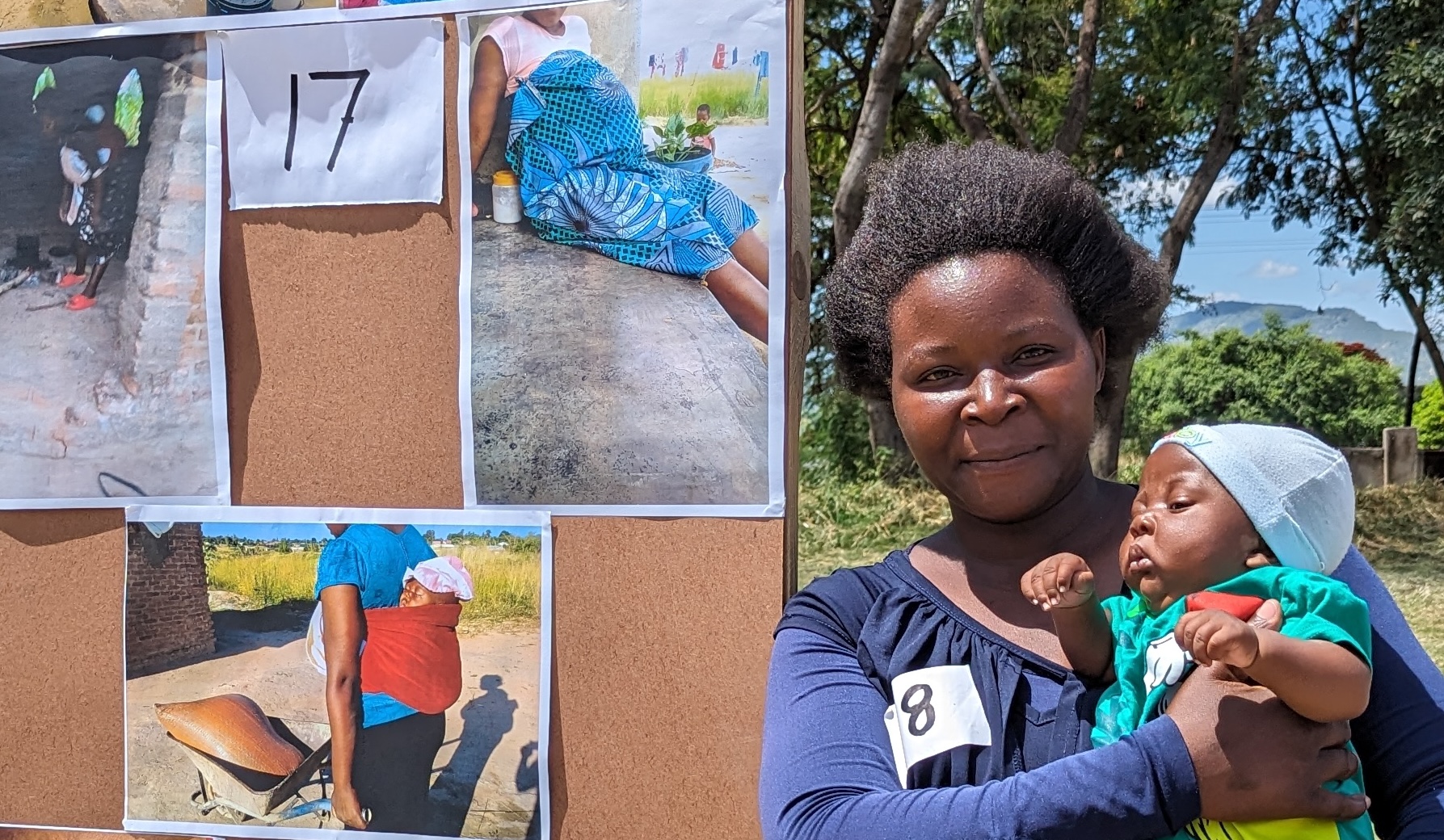
heat-health impacts on pregnant and postpartum women, newborns, and young children
Designing
the MotherHeat Alert heat-health early warning system mobile app
Adapting
maternity and neonatal health facilities to beat the heat
Reducing
carbon footprints at maternity and neonatal health facilities
Studying
the biology of heat on pregnancy
Our Networks
Heat Indicators for Global Health (HIGH) Horizons is one of the six Horizon Europe projects that form the Climate-Health Cluster, funded by the European Union under the Horizon Europe research and innovation framework programme.
HIGH Horizons is a funder of The CHANCE Network, established in 2021 through the ENBEL-project with the aim of advancing networking, research, learning, policy, and financing for climate change and health in Africa. Our funding helps CHANCE strengthen regional engagements.
The Study Centre for Perinatal Epidemiology (SPE) is a non-profit organization based in Flanders, Belgium, focused on advancing perinatal epidemiology and improving maternal and newborn health outcomes, in collaboration with the Flemish Government and CEpiP.
The Epidemiology Department of the Lazio Region (ASL Roma 1), Rome, is subcontracted by Karolinska Institutet to develop a regional MNCH database for Lazio and analyse the effects of heat exposure on perinatal health, with authorised access to the regional birth registry.
UNICEM
The Montevideo Clinical & Epidemiological Research Unit is an independent non-profit organisation,
Heat-Health Conceptual Framework
Developed by HIGH Horizons in collaboration with the World Health Organization (WHO), this framework explains how extreme heat directly and indirectly impacts pregnant and postpartum women, infants, and children.
Our Blog
Latest News & Publication
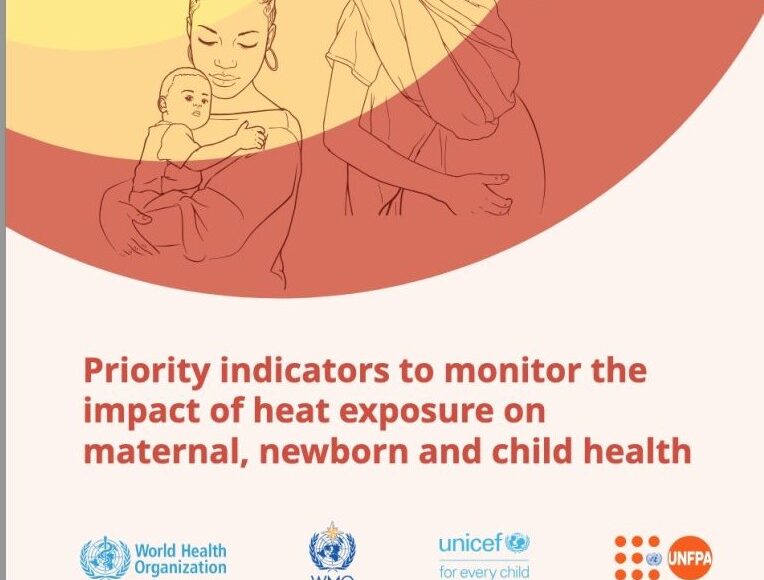
HIGH Horizons, alongside the World Health Organization (WHO), has developed a conceptual framework for extreme heat and maternal, newborn and child...
Read More →
Heat-related risk assessment in health facilities
October 29, 2025 | by admin
Extreme heat in health facilities can threaten both staff wellbeing and the quality of care. HIGH Horizons has developed a...
Read More →
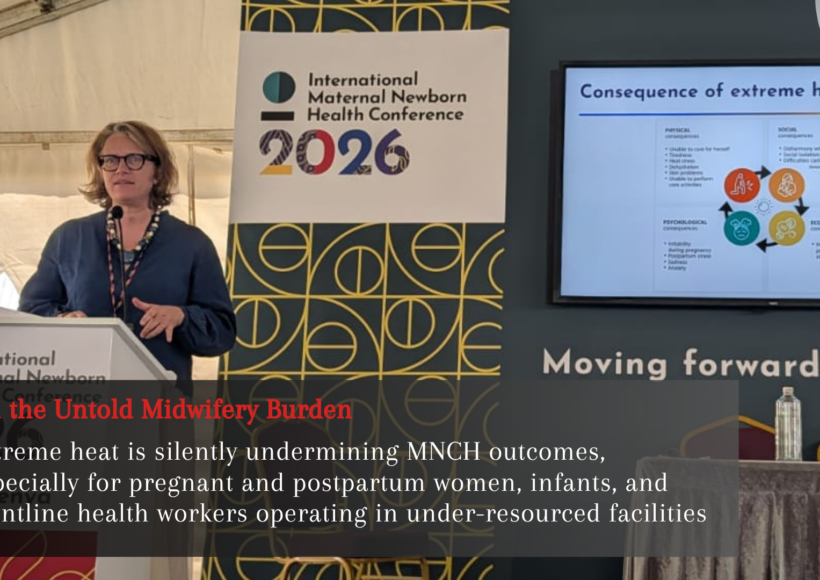
Working in the heat: how climate change is affecting health workers
October 29, 2025 | by admin
As global temperatures rise, hospitals and clinics across sub-Saharan Africa are becoming dangerously hot for the people who keep them...
Read More →
Where we work
Engaging 10 countries, 11 partners, with 5 key objectives.
Angola
Tanzania
Our partners are from all over the world